Understanding the psychology behind gambling What drives players to take risks
The Thrill of Uncertainty
The inherent unpredictability of gambling plays a crucial role in attracting players. This uncertainty creates a thrill, often referred to as “risk-seeking behavior.” When individuals place a bet, they are not only wagering money but also engaging with the potential for a life-changing win. The adrenaline rush associated with this uncertainty can be highly addictive, making players more inclined to take risks repeatedly. In this context, the vibrant game of Chicken Road 2 emerges as a perfect example.
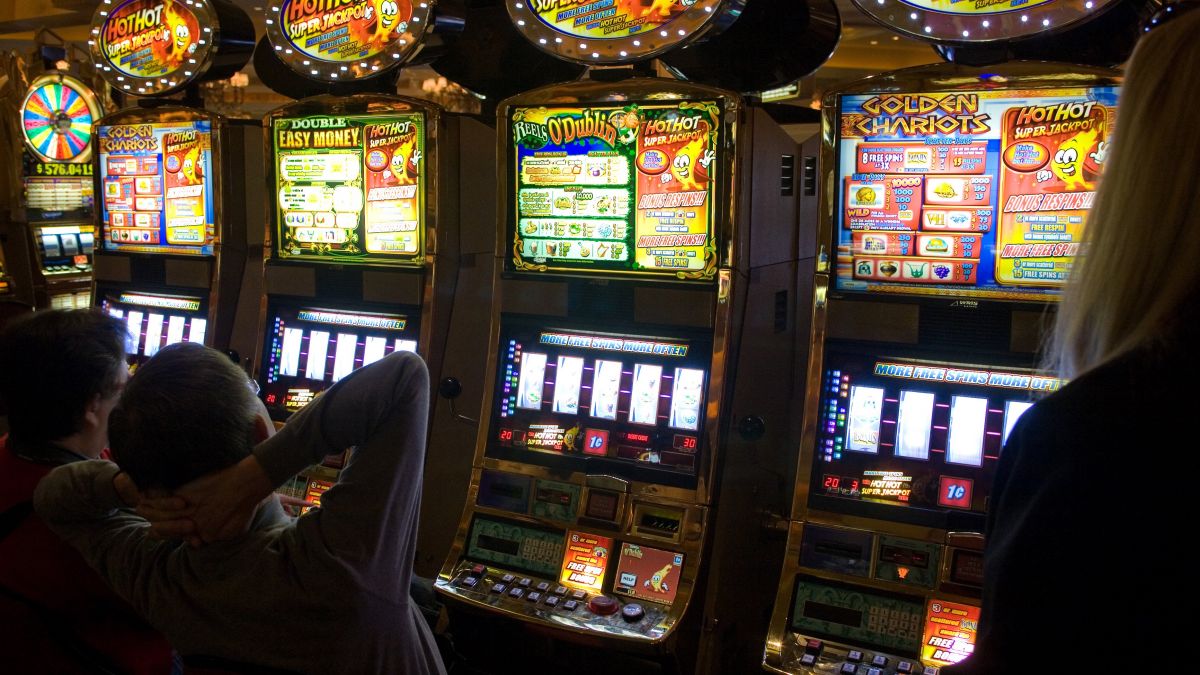
Moreover, the psychological concept of “variable rewards” significantly influences gambling behavior. Players are often rewarded at unpredictable intervals, which amplifies their desire to continue playing. This dynamic can lead to a cycle where the anticipation of potential rewards outweighs the rational assessment of risks, thus motivating players to gamble even in the face of potential losses.
Social Influences and Peer Pressure
Social factors significantly contribute to gambling behaviors. Many individuals are influenced by their peers, whether through direct encouragement or the observation of others’ gambling experiences. The social environment surrounding gambling can amplify the sense of community, where shared experiences and mutual support drive players to engage more frequently with high-risk games. Games like Chicken Road 2 often become focal points in these social interactions.
Additionally, the stigma surrounding gambling can create a sense of rebellion among players, further enticing them to take risks. As individuals seek acceptance within their social circles, the act of gambling becomes intertwined with their identity, which can lead to increased participation in risky behavior.
The Role of Emotion in Decision-Making
Emotions play a pivotal role in gambling decisions, often leading players to act impulsively. When players experience heightened emotions, such as excitement or frustration, they may overlook the rational aspects of their decisions. This emotional response can cloud judgment, driving players to gamble more than they initially intended.
Furthermore, players often engage in “loss chasing,” where they continue to gamble in an attempt to recover losses. This behavior is fueled by the emotional desire to regain control and the hope that the next bet will yield a positive outcome. Such emotional decision-making patterns can lead to compulsive gambling behaviors, significantly impacting players’ lives.
The Psychology of Winning and Losing
The psychology of winning and losing is another critical aspect of understanding gambling behavior. The euphoric feeling of winning can create a powerful feedback loop, reinforcing the desire to gamble. Players often remember their wins more vividly than their losses, which skews their perception of risk and reward.
Conversely, the experience of losing can lead to feelings of frustration and disappointment, which may drive players to gamble more in an attempt to reclaim their losses. This complex interplay between winning and losing can create a cycle where players feel compelled to take increasingly significant risks, often overlooking the long-term consequences of their actions.

Exploring the World of Chicken Road 2
Chicken Road 2 is an exciting example of how modern gambling experiences blend psychological elements with entertainment. Designed for players seeking both fun and excitement, this innovative game captures the thrill of unpredictability while providing engaging gameplay. With its unique mechanics and potential for high returns, Chicken Road 2 exemplifies the psychological factors that drive players to take risks.
As players dive into the vibrant world of Chicken Road 2, they encounter not only the excitement of the game but also the emotional highs and lows that gambling can bring. This combination of immersive gameplay and psychological engagement makes it a prime choice for understanding the deeper motivations behind gambling behavior.
